
What Should You Do Immediately After Suffering a Serious Injury?
Oct. 23, 2026
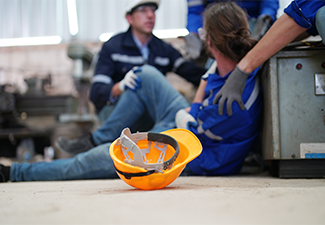 After a serious injury, medical care takes priority, but questions about what happened can arise almost as quickly. You could be reaching out to family or responding to questions about how the incident occurred.
There’s no need to resolve every question at once. As you get help, a few thoughtful steps will make it easier to recall events and track your recovery. Seeking legal guidance can help you understand your rights and options and make informed decisions once your immediate needs are addressed.
At Jeffrey I. Amtman, Esq., we help injured people evaluate those early choices in light of a possible claim. With locations in Englewood, New Jersey, and New York, New York, we serve clients in Englewood, Bergenfield, Tenafly, Fort Lee, and the surrounding areas. After getting necessary care, consult us about documenting the injury, preserving evidence, and deciding what to do next. Reach out for a free consultation.
Prioritize Medical Care
If you or someone else needs emergency assistance, call 911 and focus on getting help. Gathering photographs or contact information comes later if an injury makes movement unsafe. During the medical evaluation, describe how you were hurt and the symptoms you’ve noticed, including those that seem less urgent.
A clear account helps the provider assess your condition and records what you reported at the time. The first visit isn’t always the end of your care. Symptoms sometimes change, and follow-up appointments give providers a chance to assess how you’re recovering. Let them know about new concerns and follow the treatment instructions they give you.
Those records also help us follow the course of your injury without reconstructing each medical conversation later. Before you leave a hospital or clinic, find out how to access your discharge instructions and arrange any recommended follow-up care.
If the injury affects your work or daily activities, describing those limits to your provider gives the medical record useful context. You’re free to ask someone you trust to help organize paperwork while you concentrate on getting better. Once care is underway, you’ll be in a stronger position to address what happened at the scene.
Report What Happened and Preserve Details
Once urgent care is underway, the appropriate report depends on where you were hurt. A vehicle collision generally calls for contacting police, while a workplace or property incident calls for notifying an employer, manager, or property owner. When you’re able, give a factual account and ask how to obtain a copy of any report.
Your health still comes before gathering evidence, but details sometimes disappear quickly after an incident. If it’s safe to record information, useful details include:
Scene photographs: Images of relevant conditions, visible damage, and the surrounding area preserve a view of what the location looked like at the time.
Witness information: Names and contact details make it possible to follow up with people who saw the event or its immediate aftermath.
Your account of events: A dated note separates what you personally saw and heard from information others later shared with you.
Even a detailed report won’t capture everything. A spill could be cleaned up, damaged belongings discarded, or camera footage overwritten, so retain the photographs, messages, and objects already in your possession when practical.
If you know of a recording you don’t control, raise it promptly with your personal injury lawyer. The incident record provides one part of the story; the effects of the injury become clearer as treatment continues.
Keep Records as You Recover
Appointment records, symptom changes, missed work, and difficulties with daily activities add context to your initial medical record. You don’t need to decide right away which documents will matter to a claim. Keeping related materials in one place gives you a clearer picture of what has happened since the injury. Useful records to collect include:
Treatment documents: Discharge instructions, visit summaries, prescriptions, referrals, and appointment messages show how care has developed.
Expense and work records: Bills, receipts, insurance statements, pay records, and employer messages help track financial effects tied to the injury.
Recovery notes: Brief dated entries about symptoms and activity limits capture changes that medical appointments alone might not reflect.
Accuracy matters more than maintaining a perfectly consistent account of your recovery. If an activity becomes easier or a symptom improves, include that change alongside the difficulties you’ve experienced. The resulting timeline gives you and our New Jersey personal injury attorney a clearer basis for discussing your recovery.
Take Time With Insurance and Legal Decisions
An insurer could request a recorded statement, ask you to sign a medical authorization, or offer to resolve a claim before you’ve finished treatment. You can ask what a document covers and review its terms before signing. If you don’t know the answer, guessing about your condition or how the incident occurred won’t help clarify it.
We can discuss a proposed release or settlement in light of the records available and any treatment still underway. The same care applies to conversations outside the claims process. A brief social media post rarely conveys the full context of a recovery day, and informal descriptions of the incident aren’t always precise.
Keeping copies of insurer letters, emails, and other messages lets you refer to what was actually asked or offered. When you meet with our attorney, those documents provide a more reliable starting point than relying on memory to recall an exchange under pressure.
Talk With a Personal Injury Attorney About Your Next Steps
Medical and incident records provide a starting point for evaluating a potential claim, even while you’re still recovering. At Jeffrey I. Amtman, Esq., we discuss those records and their legal implications with injured people.
From our offices in Englewood, New Jersey, and New York, New York, our attorney, Jeffrey I. Amtman, serves clients in Englewood, Bergenfield, Tenafly, Fort Lee, and the surrounding areas. Contact us to schedule a free consultation and learn what to do next.